{{ post.date }}
{{ post.readTime }}

The construction industry is under intense pressure. New EU working time directive rules, stricter safety laws, and the adoption of Social ID cards mean that companies must adapt—or risk fines, delays, and legal trouble. These changes reflect how European working time directives are reshaping workforce management across Europe. Many companies are now moving to digital tools such as construction time tracking to stay compliant and avoid manual errors.
Regulations like ISO 9001 (Quality Management), ISO 14001 (Environmental Management), and ISO 45001 (Occupational Health and Safety) are pushing businesses toward tighter documentation, stricter compliance, and greater transparency.
With the 2025 Electronic Work Time Tracking System requirement and the growing enforcement of Social ID cards across Europe, the message is clear: construction companies must step up or fall behind.
Here’s how smart digital workforce management can eliminate compliance headaches and reduce risks.
Starting January 1, 2025, every construction project worth €170,000 or more must implement electronic time tracking systems. This aligns with the EU directive working hours rules that require accurate logging of daily work activities across all EU states and reflects broader obligations under the EU working hours directive, which emphasises transparent and verifiable records of employee working time.
This isn’t just about compliance—it’s about controlling your construction operations with total precision. For many contractors, adopting tools like construction crew management software becomes essential to maintain accurate workforce visibility.
A groundbreaking FIEC (European Construction Industry Federation) report shows that Social ID Cards are rapidly becoming the gold standard for workforce verification, especially as European working time regulations and cross-border compliance requirements become stricter.
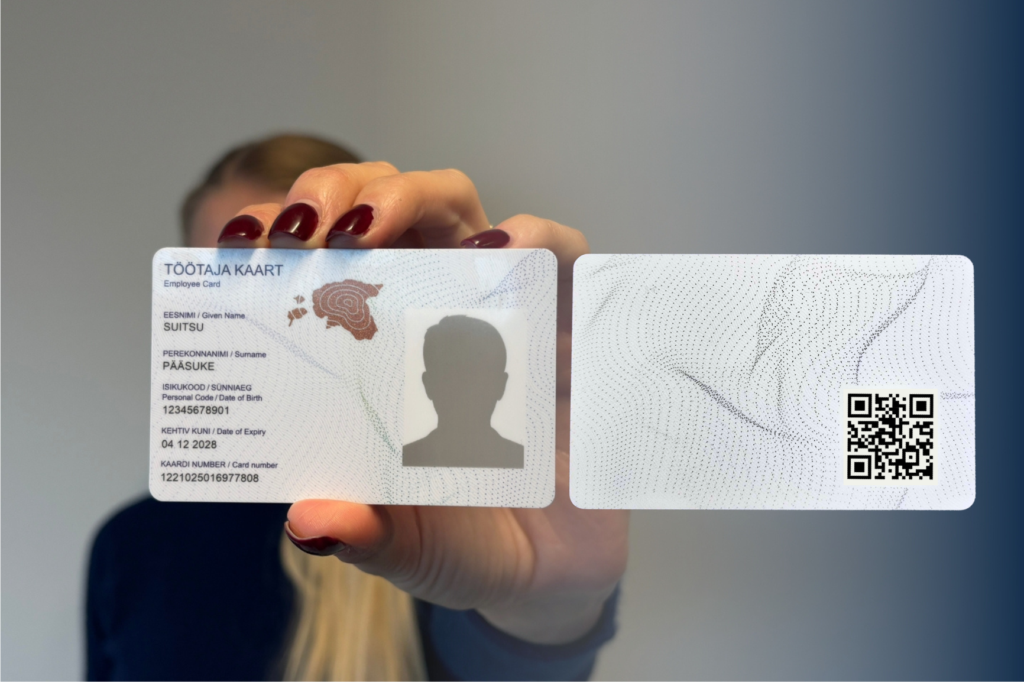
These cards aren’t a passing trend. Governments and clients are demanding proof of workforce legitimacy in response to tightening EU working time directives and broader construction compliance frameworks.
Without a digital system to track worker credentials, construction managers face chaos, legal exposure, and project shutdowns.
If you’re relying on manual processes, you’re playing a dangerous game. One mistake could cost you everything.
If you want to compete for high-value contracts, you must meet these internationally recognised standards:
ISO 9001 – Quality Management: Clients demand structured, predictable workflows with no costly surprises.
ISO 14001 – Environmental Management: Investors and regulators are cracking down on construction waste and pollution.
ISO 45001 – Occupational Health & Safety: Failing to meet safety requirements exposes your business to massive liability risks.
Many construction sites are still stuck in outdated, inefficient ways of working.
Here’s why that’s a disaster waiting to happen.
❌ Payroll disputes drain money—inaccurate time tracking for payroll leads to lost hours, overpayments, and records that are hard to defend during an audit.
❌ Compliance risks skyrocket—missing records put your company under legal scrutiny.
❌ Security is compromised—you have no way of knowing who’s on-site in real time.
✅ Automatic Time Tracking – Ensures accurate payroll records and prevents time theft.
✅ Instant Workforce Reporting – Provides real-time visibility for contractors and auditors.
✅ Worker Identification & Compliance Logs – Keeps only certified workers on-site and tracks Social ID requirements.
The construction companies that adopt digital workforce solutions will be the ones winning contracts, staying compliant, and maximising profits in the coming years.
| Factor | Manual Verification | Digital Verification |
| Verification Time | 5–15 minutes per worker | Instant (2–5 seconds) |
| Risk of Unauthorised Access | High (manual errors, missing records) | Low (automated ID verification) |
| Compliance Record Keeping | Paper-based, prone to loss | Cloud-stored, real-time reports |
| Audit Readiness | Manual checks, time-consuming | One-click reports |
| Payroll Accuracy | Prone to errors & disputes | 100% digital time logs |
| Worker Productivity | Delays due to ID issues | Instant site entry = More work hours |

➜ Are you ready for the 2025 EU time tracking law?
➜ Do you have clear records proving workforce legitimacy and site induction signatures?
➜ Do you have overview who accesses your construction site?Are you ready for the 2025 EU time tracking law?
➜ Ditch outdated manual logs before they get you in trouble.
➜ Track worker hours and Social ID cards automatically to avoid compliance risks.
➜ Ensure ISO standards are met effortlessly with digital documentation and reporting.
The construction industry is changing fast. Governments, clients, and auditors are demanding proof of compliance like never before, with growing attention on how companies follow EU regulations working hours across all active sites.
The good news? You don’t have to scramble to keep up.
By adopting digital construction site management and strengthening internal processes with proven time management in construction practices, you’ll not only stay compliant, but you’ll also eliminate unnecessary headaches, reduce costs, and position yourself as a trustworthy contractor. This shift is especially visible in markets with large public infrastructure programs, where digital construction tools in Poland are increasingly used to meet EU reporting requirements.
The European Working Time Directive regulates maximum weekly hours, rest breaks, and overtime rules. In construction, it ensures safer working schedules and legally compliant staffing. Digital time tracking helps companies meet these requirements effortlessly.
New EU time tracking law requirements mandate accurate electronic logs for payroll, audits, and Social ID verification. This improves workforce transparency and reduces risks linked to undocumented hours or non-compliant subcontractors.
Core principles of EU working time regulations apply EU-wide, but enforcement varies by country. Construction sites must follow both national rules and EU standards to remain compliant.
EU rules on working hours protect workers from excessive shifts and ensure accurate reporting. For contractors, compliance reduces legal risks and helps win tenders that require verified workforce documentation.
Digital systems automate attendance logging, rest period tracking, and worker verification. This ensures effortless compliance with EU employment law working hours, minimizing errors and preparing companies for audits.